
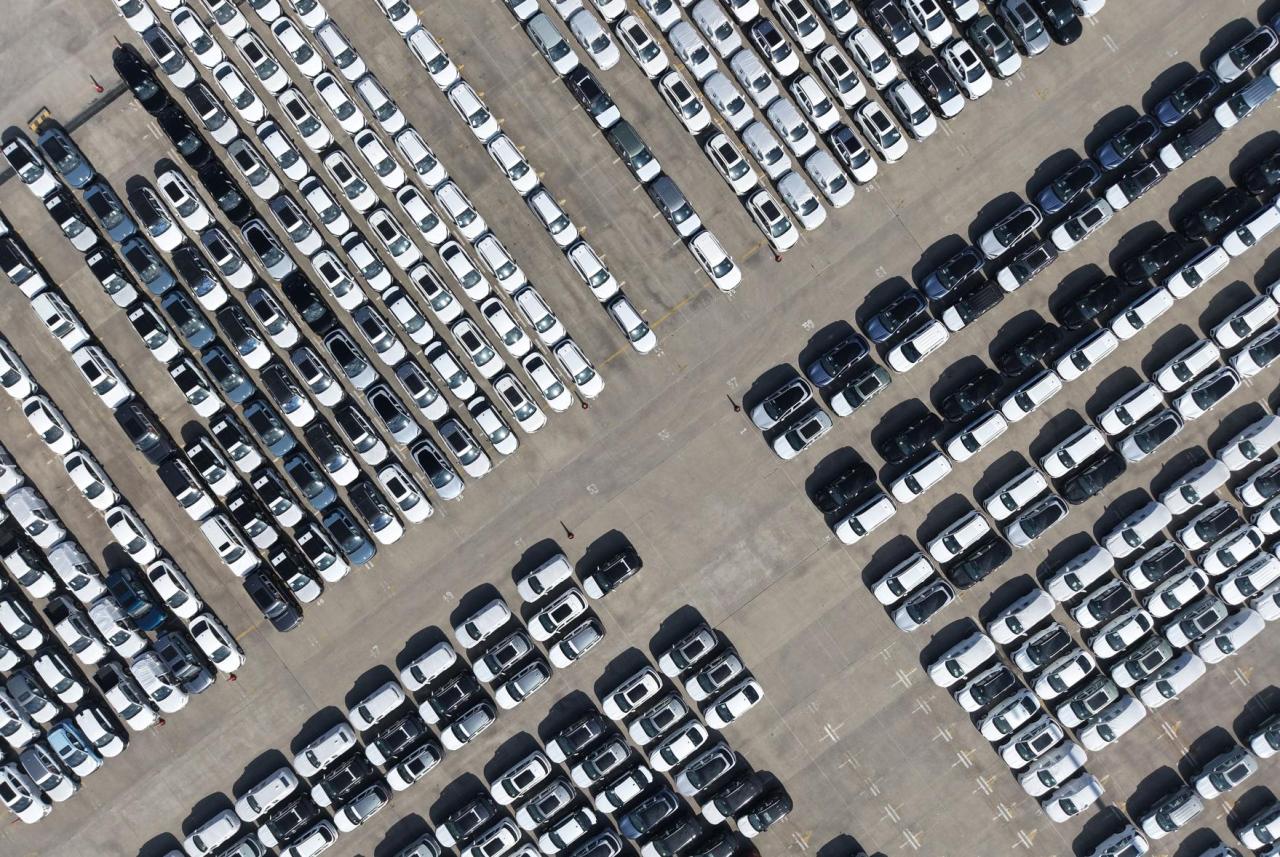
EU Hybrid Cap Triggers Strategic Pivot in Chinese Exports
The European Union’s decision to limit hybrid vehicle imports to 350,000 units per year has become a catalyst for structural change across China’s automotive export ecosystem. While not a full ban, the cap—introduced as part of broader CO₂ reduction policy alignment—has prompted Chinese original equipment manufacturers (OEMs) and exporters to prioritize battery electric vehicles (BEVs), accelerate homologation for non-EU markets, and refine logistics and compliance support for international dealers.
Export Growth Amid Policy-Driven Reallocation
According to China Passenger Car Association (CPCA) data, Chinese automakers exported 4.91 million vehicles in 2023—a 58% increase year-on-year. BEV shipments accounted for over 1.2 million units, up 71% YoY. Notably, exports to Russia, Mexico, Thailand, and the Middle East rose sharply, with Russia alone absorbing nearly 260,000 units in 2023, more than double its 2022 volume. This growth reflects both opportunistic reallocation and long-term market development—notably strengthened port infrastructure in Tianjin and Shanghai, and expanded local after-sales partnerships in key transit hubs like Dubai and Casablanca.
Certification Realities for Global Markets
Compliance remains a critical gatekeeper. EU type-approval (UN ECE R100/R101) typically requires 8–12 weeks for BEVs, while GCC (GSO) and Mercosur (INMETRO) certifications take 10–16 weeks depending on model complexity and documentation readiness. Unlike the EU, most ASEAN and African markets do not require full vehicle type-approval for parallel imports—instead relying on importer-led conformity assessments or national standards verification upon arrival. Dealers are advised to initiate certification coordination at the quotation stage, especially when ordering custom-spec vehicles.
Logistics and Documentation Shifts
Ro-Ro capacity from Chinese ports remains constrained during peak quarters (Q2 and Q4), pushing some exporters toward containerized transport for compact BEVs—a method that adds ~$800–$1,200 per unit but improves scheduling flexibility. Meanwhile, the adoption of digital Bill of Lading (e-B/L) platforms has reduced document turnaround time by up to 40% in shipments to Latin America and Southeast Asia. Key documentation—including Certificate of Origin (Form E/FORM A), CIQ inspection reports, and bilingual commercial invoices—must align precisely with destination customs requirements to avoid clearance delays.
What This Means for Overseas Dealers
For international dealers, the EU hybrid cap creates both opportunity and complexity. On one hand, it expands supply options for compliant BEVs with competitive landed costs—especially in markets where local EV incentives lower effective pricing. On the other, it increases demand for technical support in battery health reporting, OTA update compatibility, and multilingual service manuals. SaaS platforms serving cross-border trade now commonly embed real-time compliance dashboards and localized tariff calculators—tools increasingly used by mid-sized dealers managing portfolios across three or more jurisdictions.
Sources
- China's carmakers export more as EU caps hybrid vehicle imports at 350,000 a year - Dayton Daily News — news.google.com
(Disclaimer: Vehicle prices, regulatory thresholds, and import duties referenced herein are subject to change without notice. All figures and policy interpretations are for informational purposes only and should not be considered binding commitments. Actual compliance requirements and landed costs depend on specific vehicle specifications, shipment timing, and official guidance from relevant authorities.)